

Teaching Informational Text Series, Post 4 Let’s be honest — at this age, kids can smell “fake” or boring reading from a mile away. If a nonfiction article feels too dry, too textbooky, or too irrelevant, you’ve lost them before you even start. The solution? Real-world, high-interest topics that make
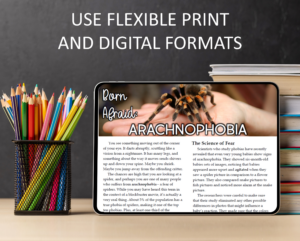
Teaching Informational Text Series, Part 3 Homeschooling looks different every day — and sometimes every hour! Some days everything runs smoothly with binders and highlighters. Other days, you need a lesson on an iPad while waiting for an older sibling’s practice to end. Every classroom is different too, and that’s
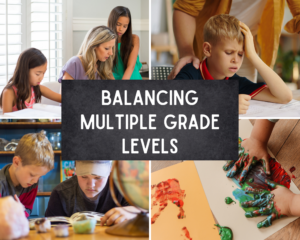
Teaching Informational Text Series, Part 2 If you’re homeschooling more than one child, you know the struggle: One child needs help pronouncing words in their story. Another needs you to check a math problem before they move on. Meanwhile, your toddler is finger painting the dog. 🐶🎨 This can
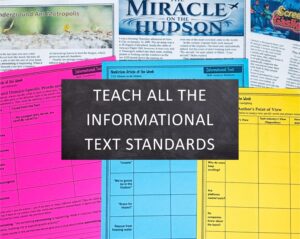
If you’ve ever found yourself wondering: “Am I doing enough?” “Am I covering the right skills at the right time?” “How do I even measure if my child is ‘meeting the standard’?” — you’re not alone. A lot of homeschooling parents wonder the same things. You want to make sure
Short stories pack a punch in the middle school classroom. You can easily cover multiple genres in a short amount of time compared to classroom novels. And they’re perfect for doing second or even third readings when you want students to dig deep into complex skills. Whether you’re looking to
By 7th grade, students are ready for more depth and complexity in their reading. Short stories help them explore advanced literary elements—like irony, conflict, and character development—without the pressure of managing a long, intricate plot. At this age, students tend to enjoy stories that are relevant, surprising, or thought-provoking, and
In 6th grade, I’m often focused on helping students make the leap from elementary reading to more complex middle school texts. Short stories provide the perfect bridge. They give students the chance to practice identifying key details, recognizing theme, and citing text evidence—all within a format that feels doable—not daunting.